
All you need to know about tropical diseases
Tropical diseases are a group of infections that develop mainly in hot, humid regions of the world. Often linked to specific climatic conditions, they are transmitted by vectors such as mosquitoes, flies or contaminated food and water. Because of their impact on health, they represent a major challenge for healthcare systems, and require adapted strategies for their surveillance and management.
Transmission modes and propagation factors
They are transmitted by a variety of mechanisms, including the bites of insect vectors, consumption of contaminated water or food, and direct contact with infected surfaces or people. The hot, humid climate favors the proliferation of pathogens and their vectors, while rapid urbanization and precarious sanitary conditions accentuate their spread. Understanding these modes of transmission enables us to better anticipate risks and reinforce prevention measures.
A complete range for monitoring tropical diseases
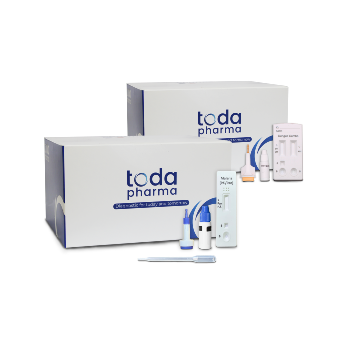
In response to the challenges posed by tropical diseases, a wide selection of solutions is available, tailored to the needs of different environments. These products enable the precise identification of the presence of specific infections, and the orientation of actions to be taken. The range we offer meets the demands of the field, while providing reliable results for better health management.
Identify the infections
Approaches adapted to different contexts
In the field, NGOs such as “Médecins Sans Frontières (MSF)” play a key role, deploying resources tailored to the most severely affected regions. These pathologies require specific approaches, both in healthcare establishments, where advanced tools guarantee reliable identification, and in the field, where optimized methods facilitate access to analyses. Thanks to these systems, an effective response can be provided to the challenges posed in various environments.

